
How a Nitin fence is made.
From a single steel wire to a finished perimeter, in four steps. Scroll to watch it happen.
From one wire to a whole perimeter.
- 01
Wire
It starts as a single steel wire, 1.6 to 4 mm thick, chosen for the job the fence has to do.
- 02
Galvanise
Hot-dip galvanised to Class 3, with up to 275 GSM of zinc, so it stands up to coastal air and monsoon rain.
- 03
Weave
Each wire is spiralled and hooked into its neighbours to form the diamond, in apertures from ½″ to 5″. More than 30,000 metres leave our plant every day.
- 04
Install
Rolled, delivered and stretched between GI posts. Install once, protect for a lifetime.
Why the process matters
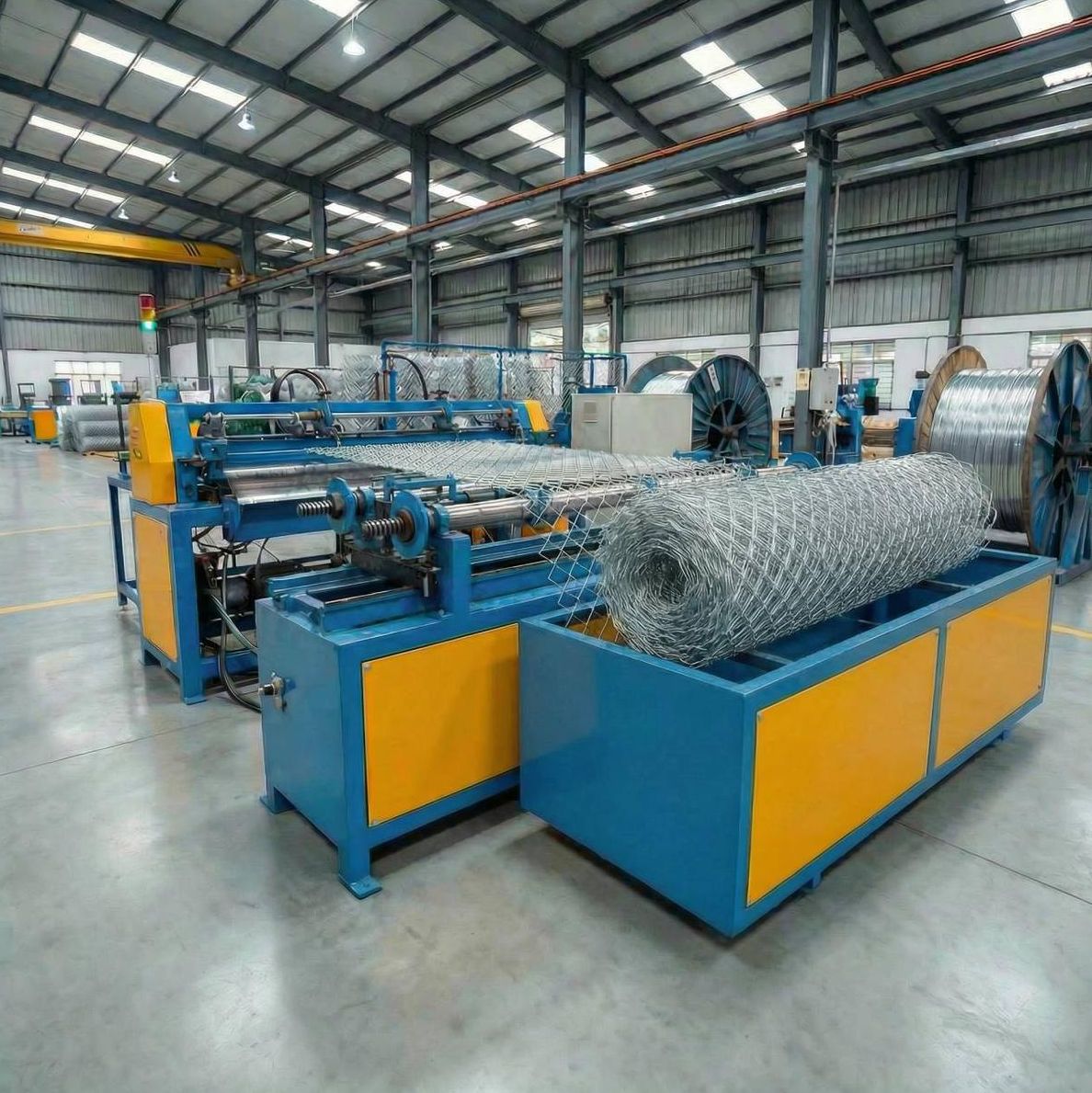
Fully automatic machines
Minimal manual intervention keeps aperture, wire size and roll length exactly to specification.
Checked to standard
Our quality system is ISO 9001 certified by TÜV SÜD, and our ISI-grade chainlink is marked to IS 2721.
Made at scale
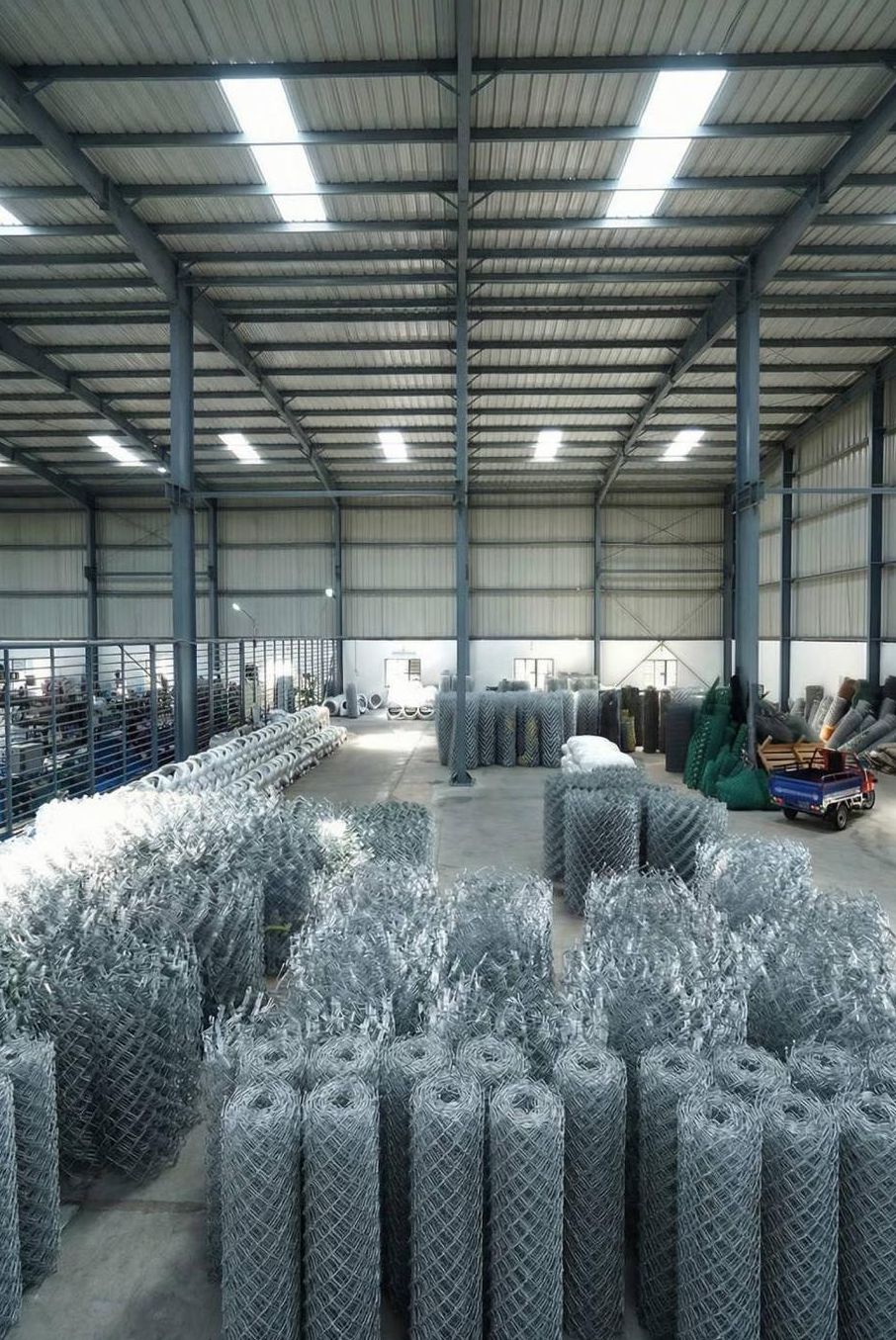
More than 30,000 metres of fence a day from 2 lakh sq ft of production and warehouse space in Tamil Nadu.