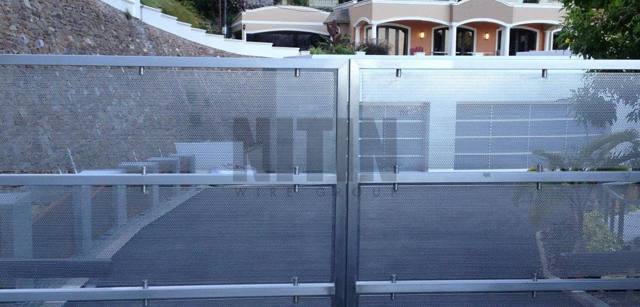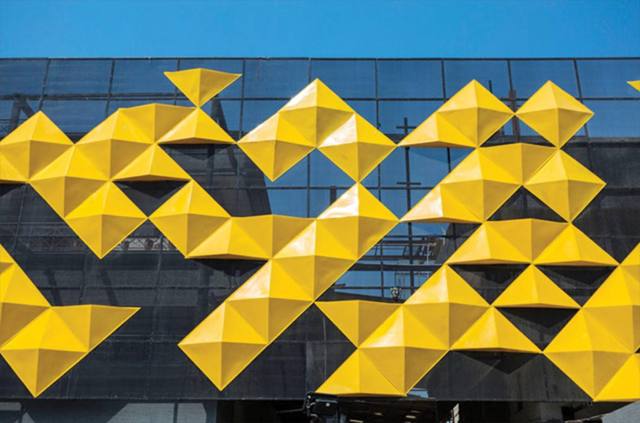
Expanded metal mesh sheets
Slit and stretched from one sheet, with no welds to fail.
Updated 16 October 2026 · Made by Nitin Wire Group, Chennai · +91 91591 43131
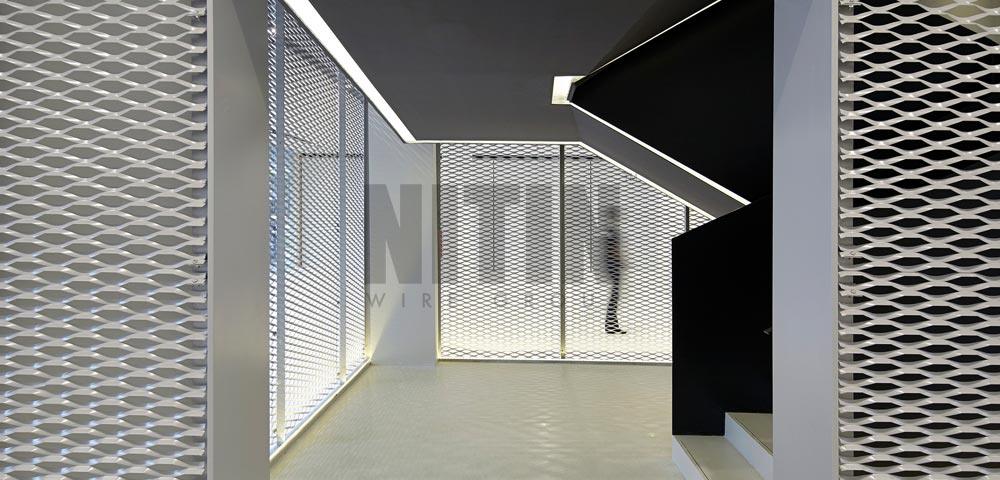
Expanded Metal in the field
Real installations and close-ups. Tap a photo to enlarge it.
Expanded Metal specifications
| Opening shape | Diamond |
|---|---|
| Types in stock | Fencing, grating and catwalk expanded metal |
| Options | Several gauges, opening sizes, materials and sheet sizes |
What makes it work
- One-piece construction
Slit and stretched from a single sheet, so there are no welds or knots to break.
- Strong for its weight
Stronger and more durable than lighter, cheaper welded mesh.
- Grip underfoot
The raised strands give a non-slip surface on steps, factory floors and rigging.
- Decorative uses
Also used for shelving, signage and ceiling tiles.
Expanded Metal applications
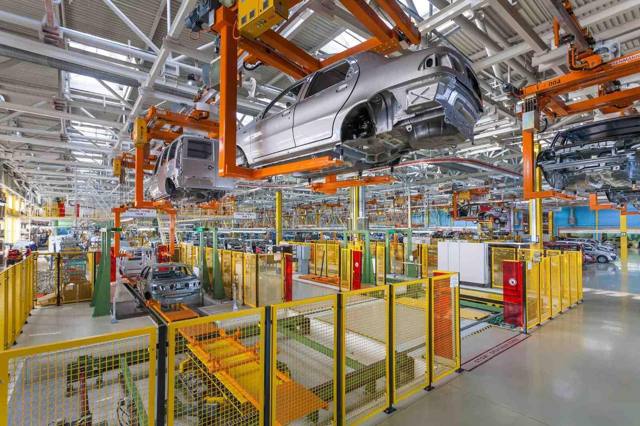
Expanded Metal: questions buyers ask
What is expanded metal used for?
Expanded metal is used for machine guards, window security screens, walkways and catwalks, stair treads, fencing, plaster lath, shelving and decorative ceilings or facades. It suits jobs that need strength, airflow and grip in one sheet.
How is expanded metal made?
A metal sheet is slit in staggered rows and stretched, which opens the cuts into diamond-shaped holes. No material is removed and nothing is welded, so the sheet stays one piece and is lighter per square metre than the solid sheet.
What is the difference between expanded metal and perforated sheet?
Expanded metal is slit and stretched, giving diamond openings and a slightly raised surface with no wasted metal. Perforated sheet is punched, giving round, square or patterned holes on a flat sheet. Expanded metal usually allows more open area.
What is the difference between raised and flattened expanded metal?
Raised (standard) expanded metal keeps the strands at an angle after stretching, which gives grip and stiffness. Flattened expanded metal is rolled after expansion to give a smooth, flat surface for guards, panels and cladding.