Barbed wire
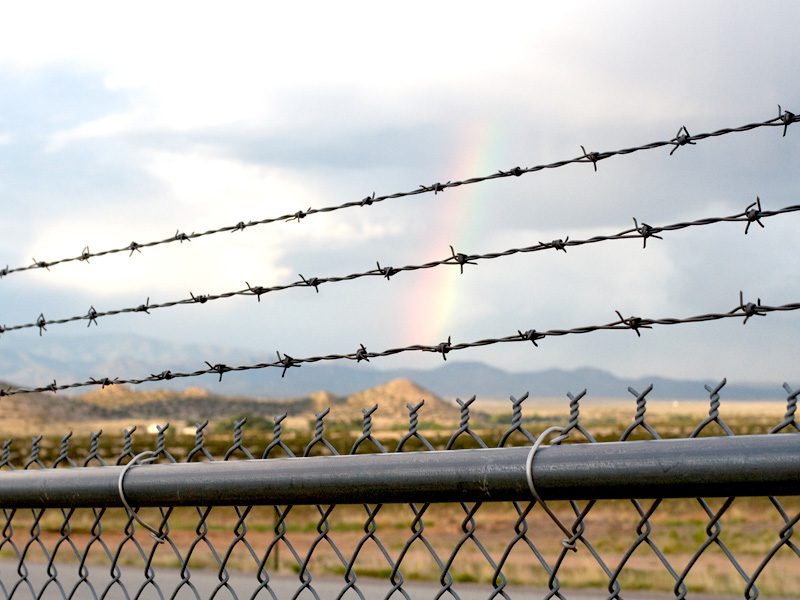
Hot-dip galvanised two-strand barbed wire to IS 278, in three gauges.
Updated 16 October 2026 · Made by Nitin Wire Group, Chennai · +91 91591 43131
Barbed Wire specifications
| Standard | IS 278 |
|---|---|
| Construction | 2 strands, 4 barbs (customisable) |
| Barb spacing | 75 mm (3 in) |
| Wire size | 2.50 × 2.50 mm (12G × 12G), 2.50 × 2.20 mm (12G × 14G), 2.20 × 2.20 mm (13G × 13G) |
| Bundle, 12G × 12G | 35 kg, 770 ft |
| Bundle, 12G × 14G | 40 kg, 1,100 ft |
| Finish | Hot-dip galvanised |
| Bundle, 13G × 13G (2.20 × 2.20 mm) | 35 kg, 1,100 ft |
| Grades (by zinc / life) | High Zinc = Premium (High Life); Medium Zinc = Standard (Average Life); Low Zinc = Commercial (Low Life) |
What makes it work
- Made to IS 278
Manufactured to the Indian Standard for galvanised barbed wire, under strict quality checks.
- Sharper barbs
Automatic machinery produces sharp, evenly spaced barbs for a stronger deterrent.
- Hot-dip galvanised
High-class galvanised wire for durability and weather resistance on any terrain.
- Graded by life
The range is graded by life expectancy, so you can match quality to how long the fence must last.
- Pairs with chain link
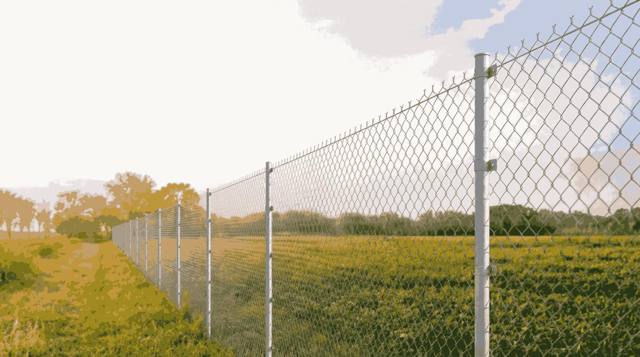
Run barbed wire above chain link fencing to raise the security of a boundary.
Options, designs and guides
Barbed Wire applications

Agriculture & Farming
Keep cattle, goats and wild boar out of crops, and livestock in.

Manufacturing Unit
Perimeter, compound wall and machine-area security for industrial sites.

Construction & Real Estate
Site boundaries, plot fencing and safety netting, supplied in bulk.
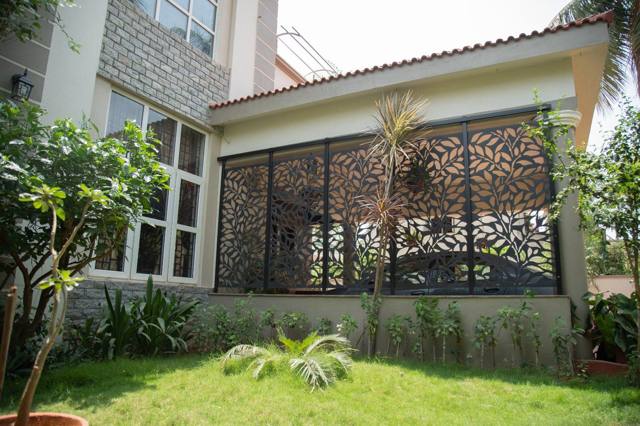
Villas & Residential Spaces
Secure boundaries, privacy screens and balcony safety for modern homes.
Barbed Wire: questions buyers ask
Which gauge of barbed wire is best?
12 × 12 gauge (2.5 mm line and barb wire) is the heavy-duty choice for farms and industrial boundaries where strength matters most. 12 × 14 gauge uses a thinner barb wire and 13 × 13 gauge is lighter again, suited to lower-risk boundaries. Nitin makes all three to IS 278.
How many lines of barbed wire are needed for a farm fence?
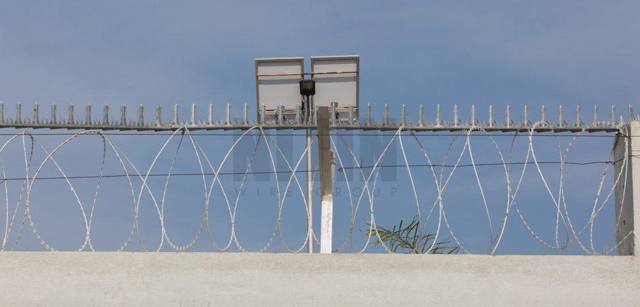
As general practice, farm boundaries use 3 to 5 lines of barbed wire, spaced roughly 250 to 300 mm apart, with the lowest lines closer together where goats or small animals must be kept out. Security fences often add 3 lines on angled arms above a wall or chain link.
How much barbed wire do I need for one acre?
A square one-acre plot has a perimeter of about 255 m, so a 4-line fence needs about 1,020 m of barbed wire. A Nitin 12 × 12 gauge bundle is about 770 ft, roughly 235 m, so plan on 5 bundles, plus a little extra for ties and corners.
What is IS 278 for barbed wire?
IS 278 is the Bureau of Indian Standards specification for galvanised steel barbed wire for fencing. It covers wire sizes, barb spacing, zinc coating and strength. Nitin's barbed wire is made to IS 278 parameters, which matters for tenders and for buyers who want a checkable quality benchmark.
Barbed wire or concertina coil: which is better for a compound wall?
Barbed wire is cheaper and suits long farm and plot boundaries. Concertina coil, a coiled wire with razor blades, is much harder to climb or cut through and is the usual choice on top of compound walls and high-security perimeters. Many sites combine both with chain link.
How is barbed wire fixed to posts?
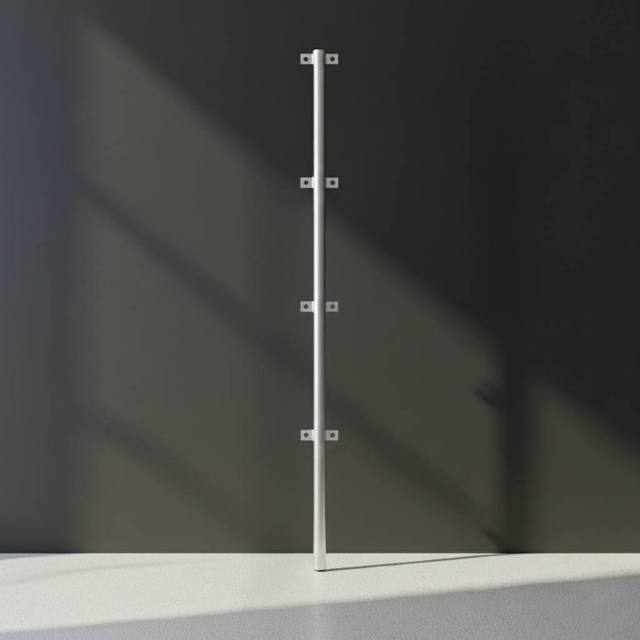
Barbed wire is stretched tight between posts and tied to each post with GI binding wire, or held with clips or staples depending on the post type. End and corner posts should be braced because they carry the tension of every line.