Woven wire mesh and wire cloth
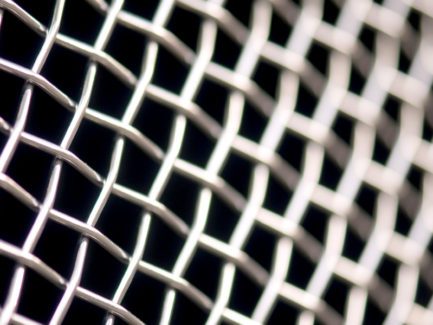
Square-weave mesh for sieving, filtering, screening and support.
Updated 16 October 2026 · Made by Nitin Wire Group, Chennai · +91 91591 43131
Wire Mesh specifications
| Material | Galvanised iron (GI), stainless steel (SS), powder coated SS, brass, copper |
|---|---|
| Weave | Square weave |
What makes it work
- Even square openings
Square weave gives consistent openings for sieving and sizing of materials.
- Choice of metals
GI, stainless steel, brass and copper, matched to the corrosion and hygiene needs of the job.
- Insect screens
Fine mesh works as fly-proof and mosquito mesh for windows, vents and doors.
- Industrial filter media
Used as filter and support mesh in chemicals, pharmaceuticals, glass, ceramics, plastics and paper plants.


Wire Mesh: questions buyers ask
What is wire mesh used for?
Woven wire mesh is used for sieving and grading sand and grain, filtering liquids and powders, insect screens on windows, screen printing and as support or guard mesh in machinery. The metal and opening size are chosen to suit the job.
What does mesh number mean in wire mesh?
Mesh number is the number of openings per linear inch. A 20 mesh screen has 20 openings across each inch, so a higher mesh number means smaller openings. Wire diameter also affects the actual opening size.
Is stainless steel wire mesh better than GI wire mesh?
Stainless steel mesh resists rust without a coating and suits food, pharma, chemical and wet uses. GI mesh is zinc coated mild steel and is more economical for general screening, fencing and construction where hygiene is not critical.
Which wire mesh is used for mosquito screens?
Mosquito and fly screens generally use fine stainless steel, aluminium or fibreglass mesh with openings small enough to stop insects while letting air through. Nitin Wire Group supplies fly-proof mesh in metal; ask for available sizes.