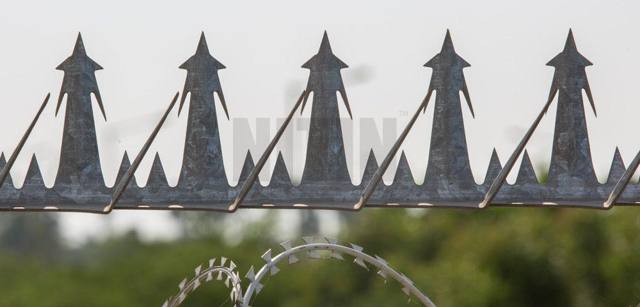
Polymer bird spikes
A humane way to keep pigeons and birds off your building.
Updated 16 October 2026 · Made by Nitin Wire Group, Chennai · +91 91591 43131
Polymers specifications
| Product | Polymer bird spikes |
|---|---|
| Variants | 2 |
What makes it work
- Humane
Stops birds landing without trapping or harming them.
- Cleaner buildings
Prevents acidic droppings that stain facades and make cleaning a constant job.
- Hygiene
Reduces the health risks that come with roosting birds and their droppings.
Polymers applications
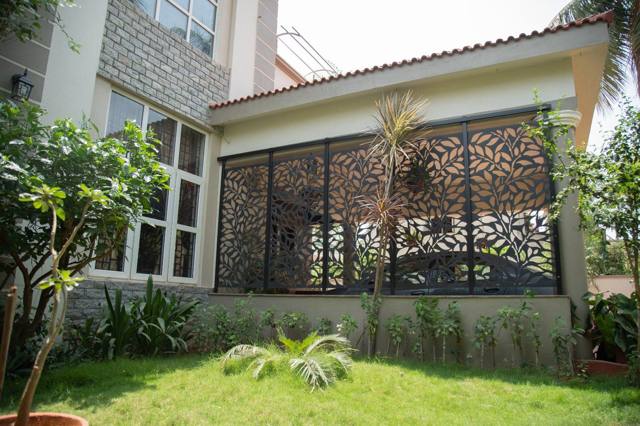
Villas & Residential Spaces
Secure boundaries, privacy screens and balcony safety for modern homes.

Schools & Colleges
Safe campus boundaries, playgrounds and sports grounds for institutions.

Warehouse
Perimeter security, internal partitions and secure storage areas.

Agriculture & Farming
Keep cattle, goats and wild boar out of crops, and livestock in.
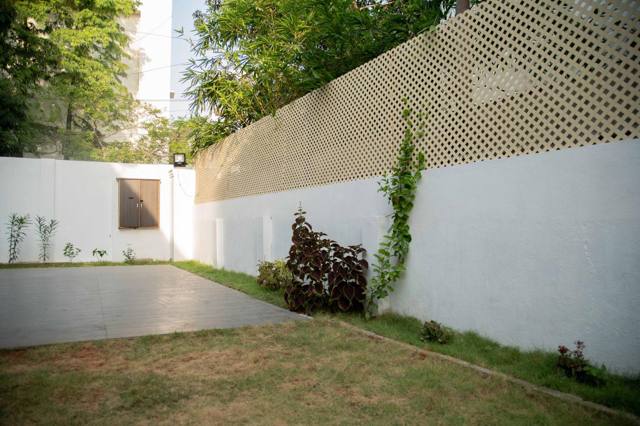
Landscape
Boundaries, edging and screens for gardens, parks and outdoor spaces.
Polymers: questions buyers ask
Do bird spikes harm pigeons?
No. Bird spikes have blunt rods that make a ledge too uncomfortable to land on; they do not pierce or trap birds. They are considered a humane way to keep pigeons off a building.
Where should bird spikes be installed?
Bird spikes go wherever birds land or roost: window ledges, parapet walls, balcony railings, AC outdoor units, signboards, beams, pipes and roof edges. Cover the full length of the ledge so birds cannot perch at the ends.
How are bird spikes fixed?
As general practice, bird spikes are fixed with a weatherproof silicone or construction adhesive on clean, dry surfaces, or with screws or cable ties on rails and pipes. Clean off old droppings before fixing.
Are polymer bird spikes better than steel bird spikes?
Polymer spikes are cheaper, lighter, less visible and will not rust. Stainless steel spikes are longer-lasting and harder for large birds to bend. Both work if they cover the whole landing area.