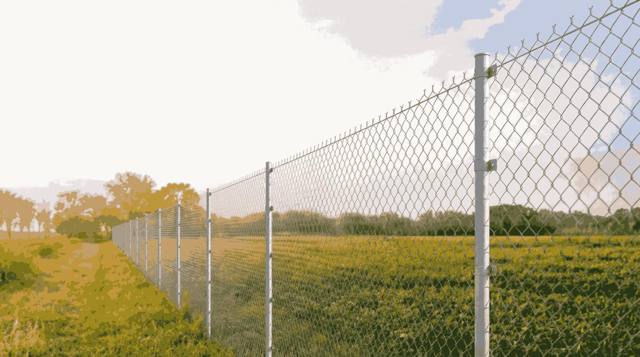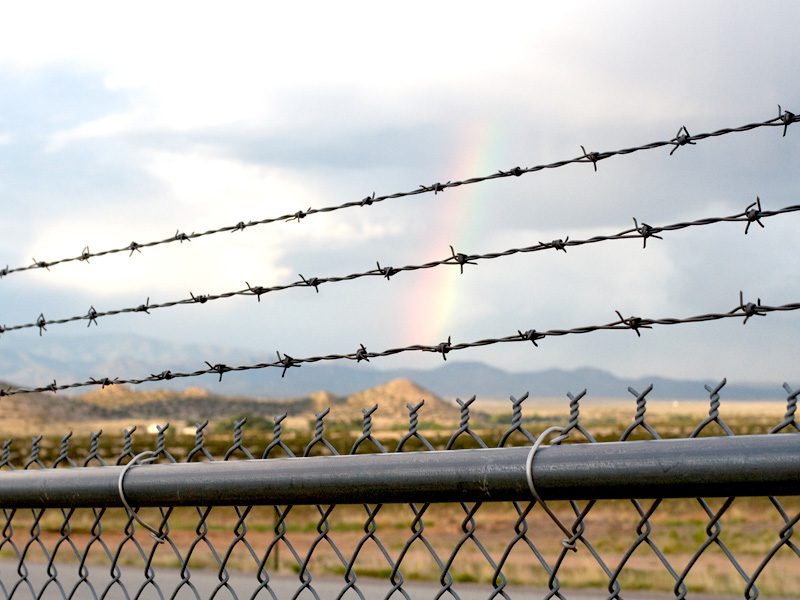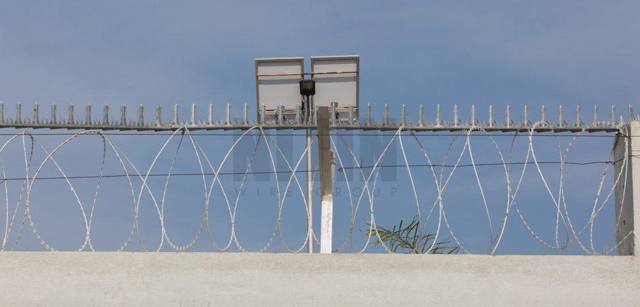
GI fence post
Hot-dip galvanised posts for chain link, barbed wire and concertina fencing.
Updated 16 October 2026 · Made by Nitin Wire Group, Chennai · +91 91591 43131
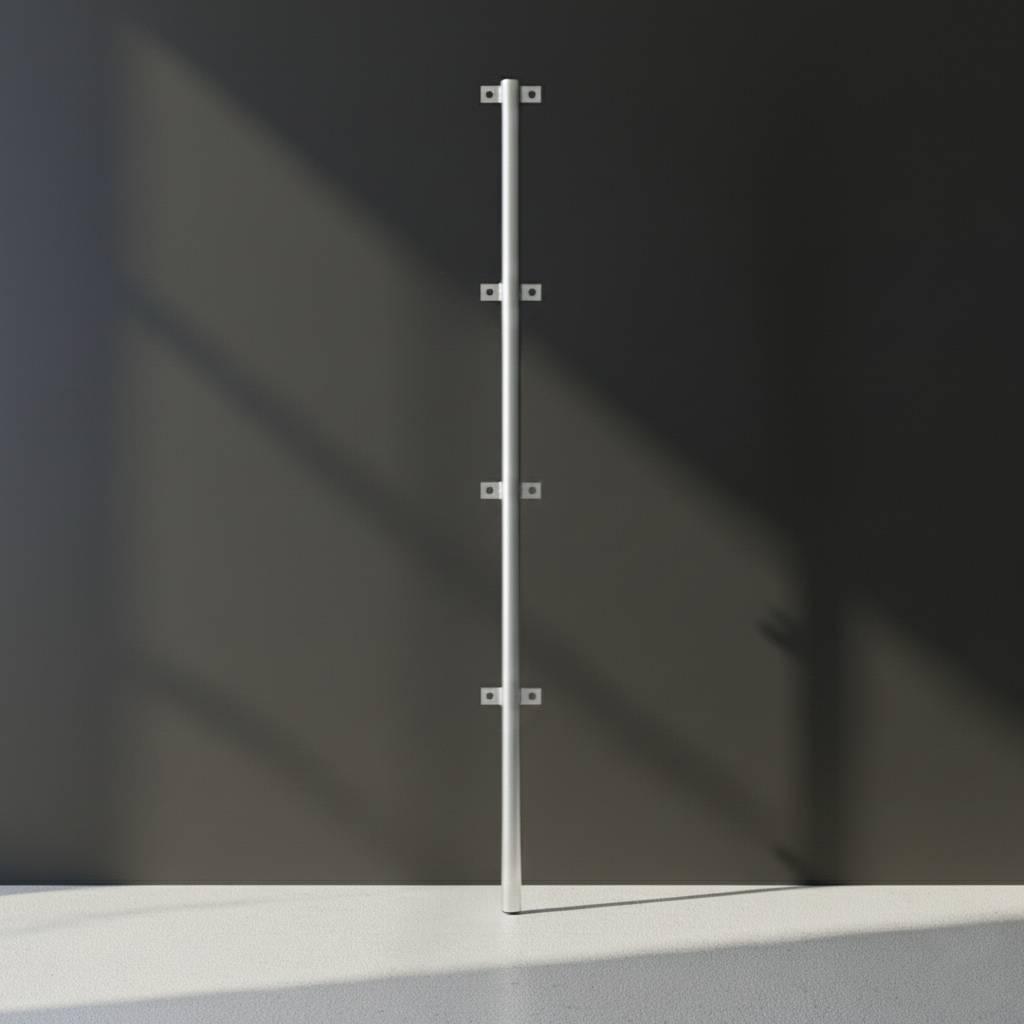
GI Fence Post in the field
Real installations and close-ups. Tap a photo to enlarge it.
GI Fence Post specifications
| Finish | Hot-dip galvanised |
|---|---|
| Supports | Chain link, barbed wire and concertina coil fencing |
What makes it work
- Hot-dip galvanised
A galvanised coating protects the steel from rust in harsh outdoor conditions.
- One post, many fences
Designed to carry chain link, barbed wire and concertina coil systems.
- Renewable energy sites
Suited to wind farm, substation and solar park perimeters that need corrosion-resistant structures.
- Low maintenance
Long service life with little upkeep once installed.
- Bulk supply
Available in bulk with delivery across India.
GI Fence Post applications

Agriculture & Farming
Keep cattle, goats and wild boar out of crops, and livestock in.

Manufacturing Unit
Perimeter, compound wall and machine-area security for industrial sites.

Warehouse
Perimeter security, internal partitions and secure storage areas.
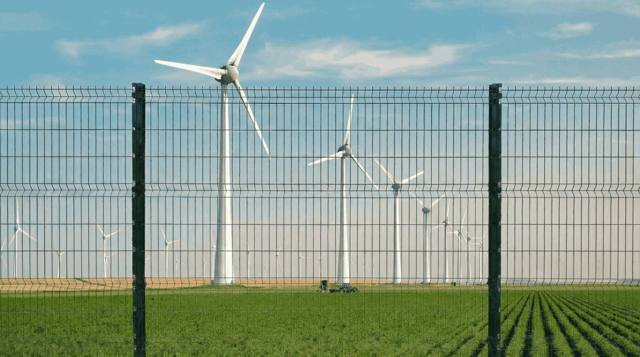
Wind Farms & Renewable Energy
Corrosion-resistant perimeter security for remote and coastal energy sites.

Construction & Real Estate
Site boundaries, plot fencing and safety netting, supplied in bulk.
GI Fence Post: questions buyers ask
GI post or concrete post: which is better for fencing?
GI posts are lighter, quicker to install and less likely to crack or chip than concrete posts, and hot-dip galvanising protects them from rust with little upkeep. Concrete posts can cost less up front but are heavy to transport and can break on impact. For chain link and barbed wire, GI posts are a practical, long-lasting choice.
How far apart should GI fence posts be?
For chain link and barbed wire fences, posts are commonly spaced 2.5 to 3 metres apart. Use closer spacing on soft soil, slopes or tall fences, and add braced posts at every end, corner and gate, since these carry the full pull of the wire.
How deep should a fence post be set?
A common rule of thumb is to bury about one-third of the post's above-ground height, and not less than roughly 450 to 600 mm, in a concrete footing. End, corner and gate posts are usually set deeper and braced with struts because they take the most load.
How many fence posts do I need?
Divide the fence length by the post spacing and add one, then add extra posts for corners and gates. For example, a straight 100 m fence with posts every 2.5 m needs 41 posts. Corner and end posts usually also need angled struts for bracing.
What size GI post is used for chain link fencing?
The right post size depends on fence height, wire tension, soil and wind exposure. Line posts are lighter, while end, corner and gate posts use heavier sections. Share your fence height and length with Nitin Wire Group for a recommended post size.